Bowel Cancer Screening & Surveillance
Early detection through colonoscopy-based screening programs


Overview
Australia's bowel cancer screening program saves lives by detecting cancer early and removing polyps before they progress. For patients with certain risk factors, colonoscopy-based surveillance helps ensure early detection and long-term bowel health.
To ensure the bowel is clear for a thorough assessment, most patients will need to complete a bowel preparation beforehand. You will receive clear instructions on diet changes, timing, and how to take the bowel-cleansing solution.
Who Should Be Screened?
- Adults aged 45+ (some guidelines now suggest 40+)
- Anyone with a family history of colorectal cancer or advanced polyps
- Patients with inflammatory bowel disease (IBD)
- Individuals who have had polyps removed previously
- People with genetic risk factors or hereditary syndromes
What Happens During Screening
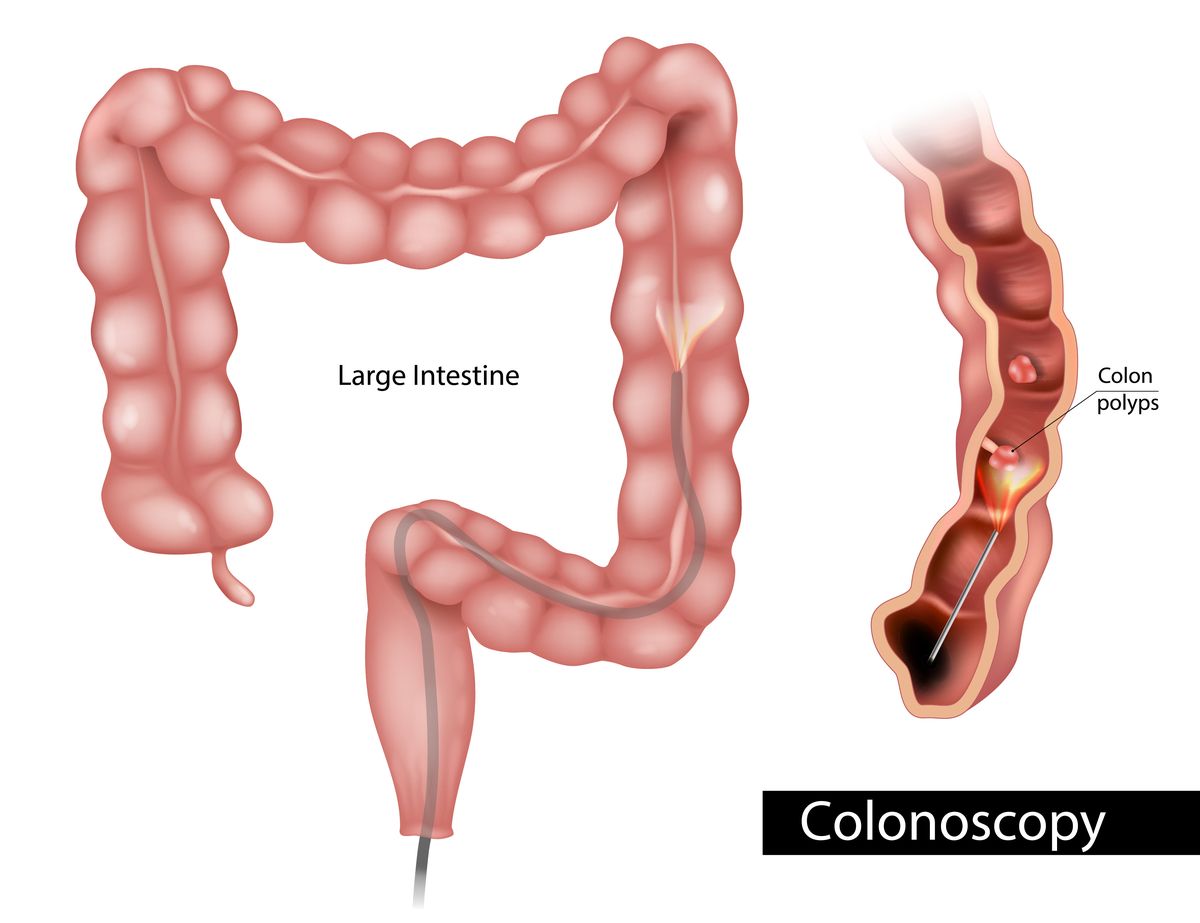
Colonoscopy allows your surgeon to carefully examine the entire large bowel, remove polyps during the same procedure, take biopsies of abnormal areas, and assess for inflammation, bleeding, or early cancer.
If polyps or abnormalities are found, they are removed during colonoscopy. Larger or malignant lesions may require bowel resection.